
-
 Available 24/7 via WhatsApp
 -
-


section title
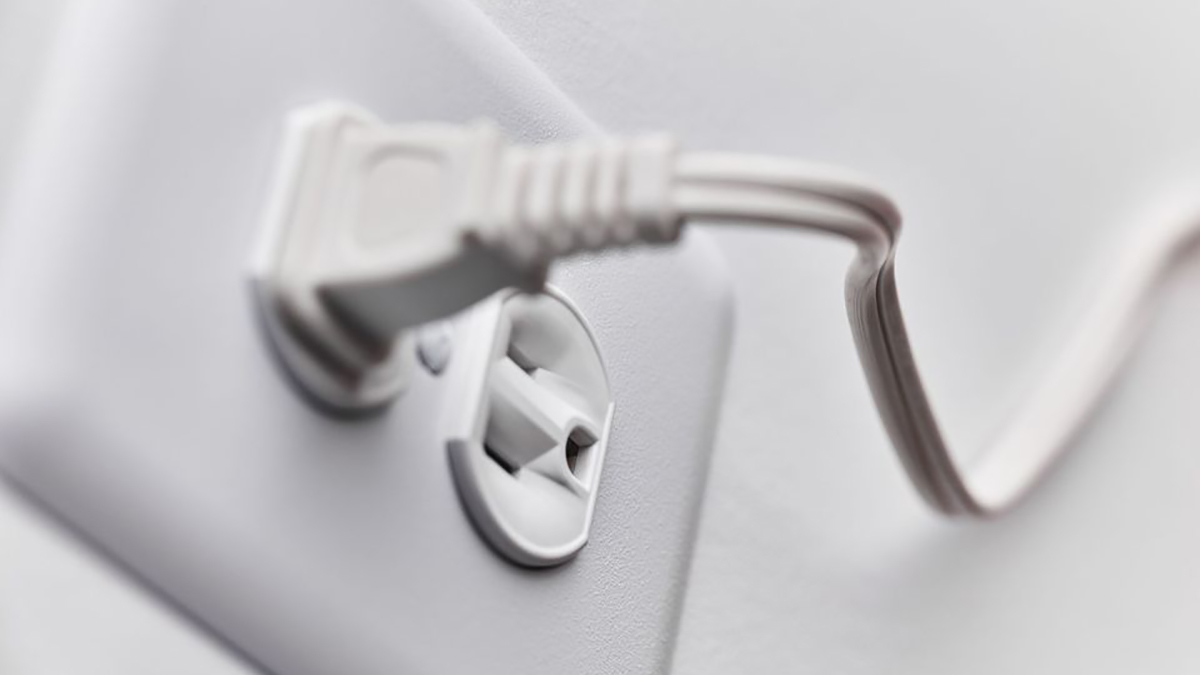
Learn about the goals of the electric sheds campaign
Saudi standard specifications for electrical outlets (plugs and sockets) for household use
The Saudi Organisation for Standardization, Metrology and Quality issued the standard specifications for electric vines for the first time in 1985, and it was updated in 1994, and then in 2003 as follows:
- Msqs 2203/2003 m “Plugs and sockets for household and similar uses – 220 volt voltage”
- MSCS 2204/2003 AD “Plugs and sockets for household and similar uses – 127 volts”
- GSO 443/2003 “Methods of testing for sockets and sockets for household and similar uses – up to 220 volts”
- The Gulf Standardization Organization also adopted the two standard specifications Nos. 2203 and 443, and issued them under the two numbers GSO 1840 and 1841.
The most important safety conditions mentioned in the Saudi specifications
The mentioned Saudi standards stipulate strict conditions for safety and consumer protection, which we summarize as follows:
The inability to confuse the voltage between 220 and 127 volts in the sense that the design of the plug with a voltage of 220 volts does not allow it to be inserted into the socket with a voltage of 127 volts, and vice versa.
A third party is required for the plug and the socket to ground the non-current carrying metal parts, which may become electrified if the insulation breaks down and is symbolized by (E) or (G).
The sockets are equipped with shutters that close the current-carrying holes when the socket is not in use, in order to protect children, and the shutters automatically open when the plugs are entered.
The 220 volt plug is provided with a 13 amp fuse to protect the plug, socket and wires if the current exceeds this value.
The 220-volt socket can be equipped with a two-pole type switch, to completely disconnect the current from the electrically connected ends of the socket, and thus from the device.
The plug banners are solid and made of brass.
The plug is provided with a cable clutch that ensures that the conductors will not be twisted or pulled.
The plug is designed to be held securely in the hand when inserting or pulling from the socket.
The fuse connection in the plug can only be replaced after the plug has been completely removed from the socket.
The plugs and sockets are designed so that electrified parts cannot be touched.
The current-carrying contact holes in the socket are submerged from the surface to be impossible to touch.
The plugs and sockets are resistant to abnormal heat and fire.
Why were these two types of chosen electric sheds?
Each country uses a uniform type of plugs and sockets and sometimes more, according to its conditions and the electrical system applied to it. The International Electrotechnical Commission has issued the standard specification (IEC 60083) for “plugs and sockets used in countries of the world”, which contains the different shapes used in countries of the world and Among them is Saudi Arabia, which has chosen the two types shown from among many forms known internationally for several considerations, including:
- They meet all the safety requirements of the consumer.
- The inability to confuse the two types of users.
- The use of two different types is due to the presence of two different efforts in the dwellings.
- The 220 volt type is the most common in the GCC countries.
- The rectangular plug bushings provide better connection and contact with the socket than the round bushings.
- The third-party, the ground, protects the consumer from electrocution, provided that there is a grounding system installed in the residential unit.
Mandatory application of the specifications of electric sheds
In view of the importance of this commodity, its widespread use in residential and commercial areas, and the danger of the inferior types of it on the consumer and his property, the Minister of Trade and Industry issued a decision on 2/23/2010 (3/9/1431 AH) to affirm the obligation on all traders, manufacturers, producers, locally and importers to apply standard specifications Saudi Arabia for plugs and sockets, and the decision was enforceable one year after the date of its issuance, as it was prohibited to import or manufacture any plugs or sockets that do not conform to these specifications.
Saudi Standard No. 2203 is based on the British Standard BS 1363, while Saudi Standard No. 2204 relies on the American Standard (ANSI / UL 498) as basic references.
According to the dual voltage system used in residential areas, the specifications have specified two different types of plugs and sockets, one for 220 volts and can withstand up to 13 amps or the so-called British system, and the other for 127 volts and can handle up to 15 amps or the so-called American system.
Cabinet decision on changing the voltage system in the Kingdom
The Honourable Council of Ministers Decision No. 425 of 9/20/1431 AH was issued to change the voltage system in residential and commercial areas in the Kingdom from (127/220 volts) to (230/400 volts) with the aim of reducing the dangers resulting from duplication of voltage, as well as the decision to stop importing devices Electricity operating on 127 volts has contributed to reducing consumer use of adapters, and consumers are gradually turning to the use of a standardized type of 220 or 230 volt plugs and sockets in new residential areas and new subscribers ’buildings in existing areas.
However, it should be noted that the 127-volt voltage is still used in many regions of the Kingdom, and it will be gradually cancelled under the supervision of the Saudi Electricity Company, after the end of the introductory period specified by the Cabinet Resolution, which is 10 years from the date of issuance of the decision.
Note
Since the voltage of 127 volts will take time to dispose of it that may reach 15 years or more, so the plugs and sockets that work on this voltage will still be allowed to be imported as spare parts for the existing electrical appliances that the consumer still uses, and the Saudi standard for this type Of the chips will remain in force until a decision is made to stop the import of this type of fish.


